3 hr
Private Jozani Forest Tour with Local Guide
Explore Zanzibar's Jozani Forest on a private walk to spot rare red colobus monkeys and mangrove boardwalks.
Reserve
Mahogany shadows at dawn, mangrove boardwalks by noon.
Hand-picked by our editors — only the best 5 experiences from 47 reviewed.
Verified partners for Jozani Forest Zanzibar tours, free cancellation where available, and instant confirmation on every booking.
3 hr
Explore Zanzibar's Jozani Forest on a private walk to spot rare red colobus monkeys and mangrove boardwalks.
Reserve
3 hr
Private guided walk through Zanzibar's only national park to spot rare Red Colobus monkeys
Reserve
6 hr
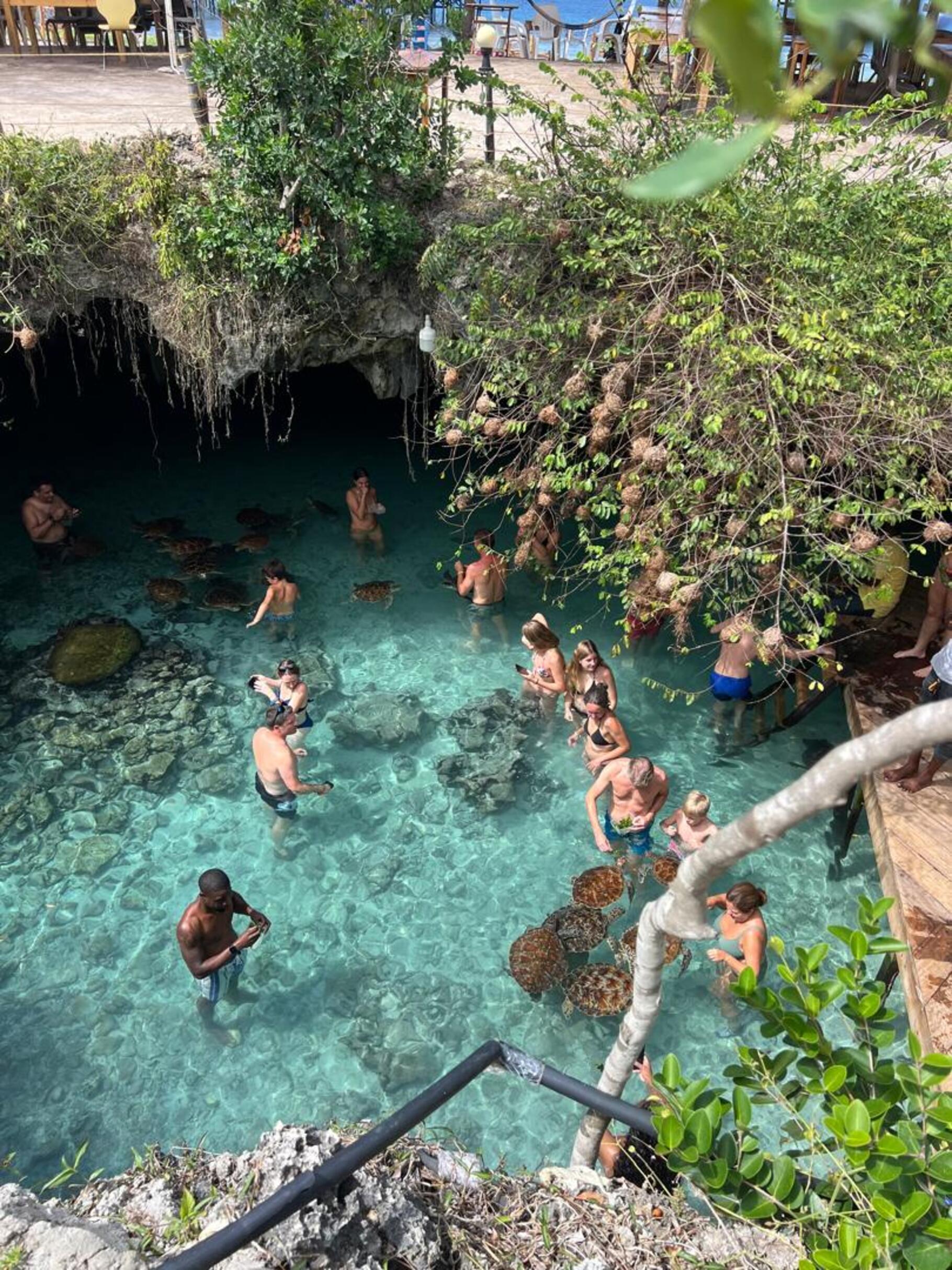
Track endemic red colobus monkeys in Jozani Forest, then meet rescued sea turtles at Salaam Cave.
Reserve
6 hr
Spot red colobus monkeys, meet rare butterflies, and unwind on a cliff-backed southern beach.
ReservePrices from verified partners. Availability updates in real time at checkout. Free cancellation policies apply where shown.
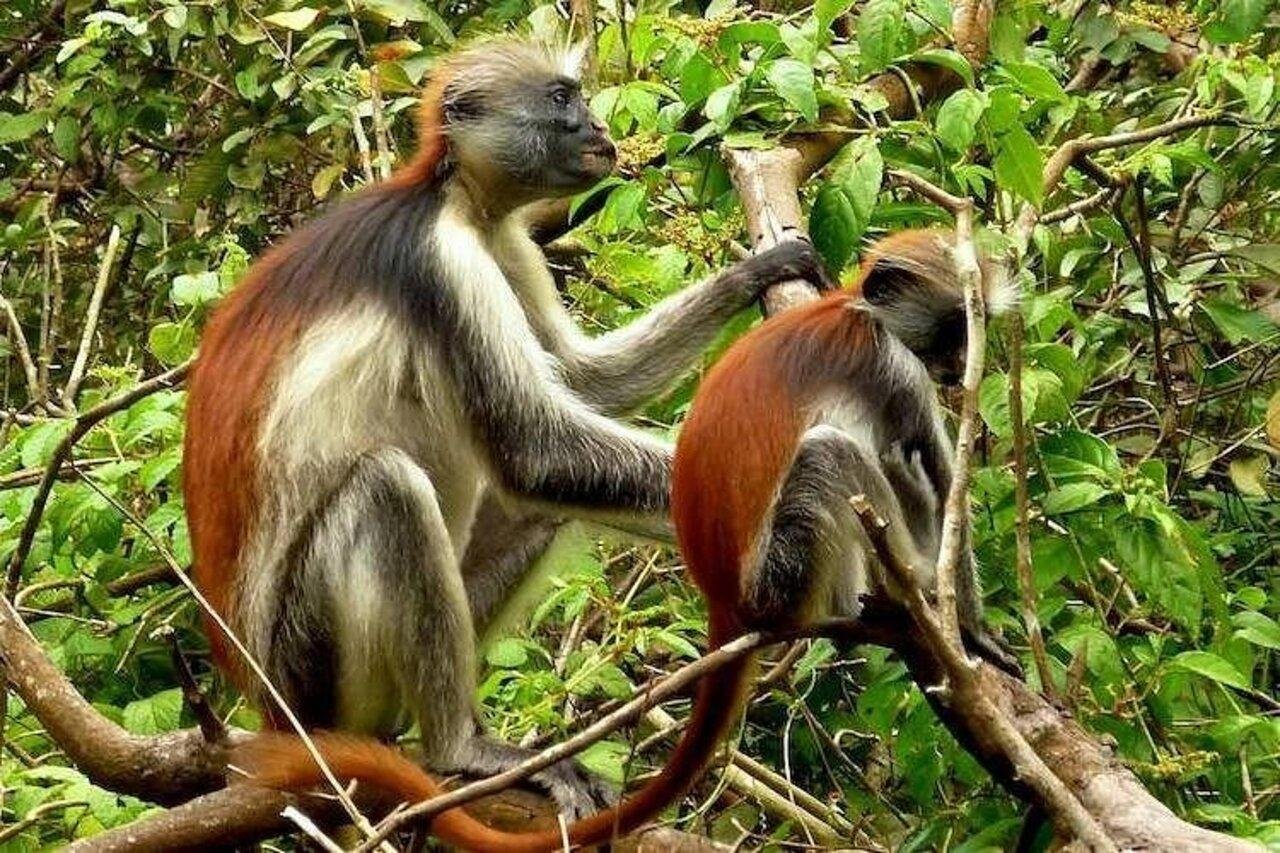
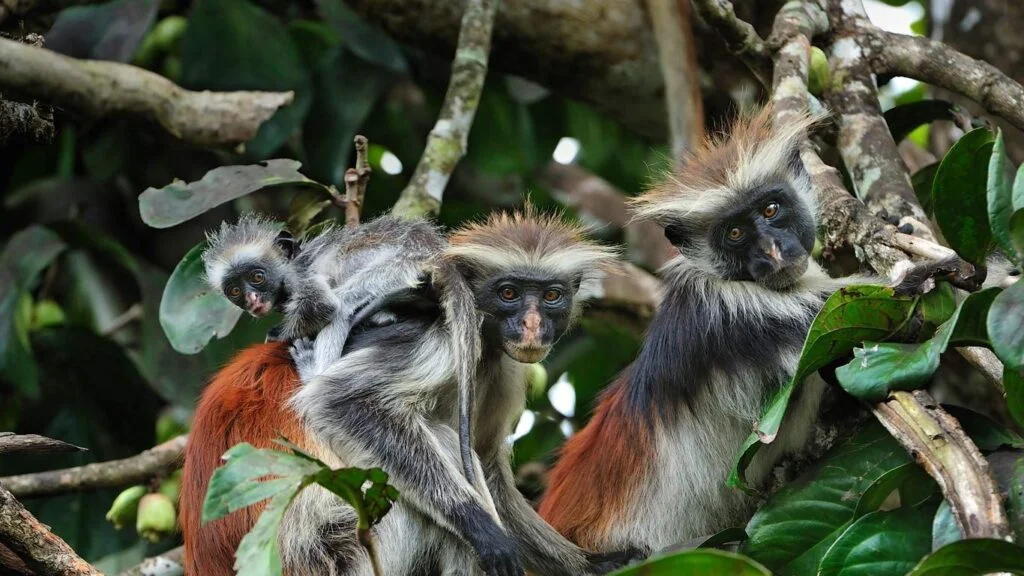
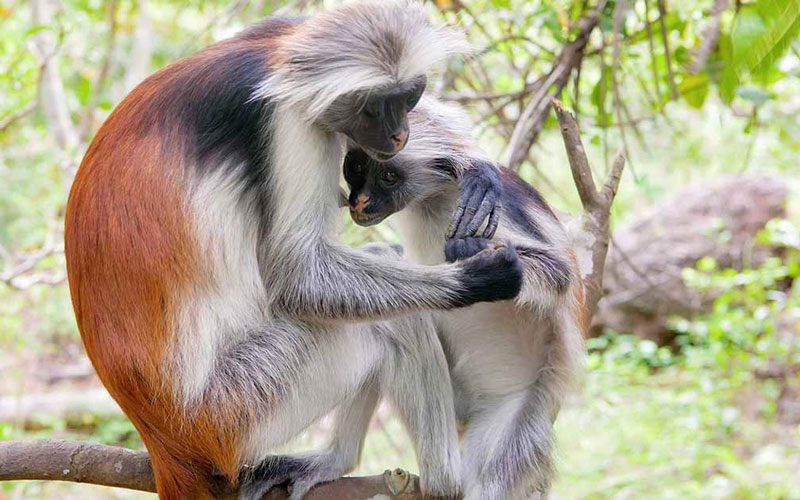
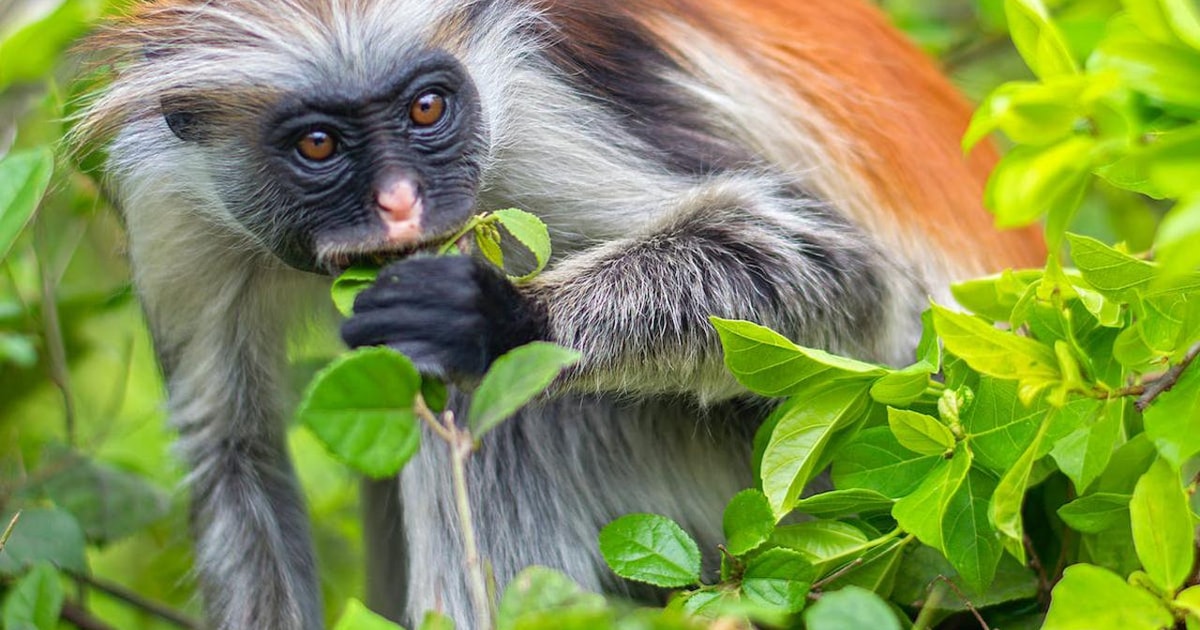
The Zanzibar red colobus — Procolobus kirkii — survives in only one place on Earth, and roughly half of its global population lives within the boundaries of jozani forest zanzibar.
The reserve was elevated to national park status in 2004, becoming Zanzibar's first, and now protects fifty square kilometres of coral rag forest, groundwater swamp, and the tidal mangroves of Chwaka Bay.
The trees here remember a different archipelago. Mahogany and eucalyptus stand where Sultan-era timber concessions once cut deep, and the elevated boardwalk through the mangroves traces channels harvested for centuries by Pete villagers. A jozani forest private tour with a community guide reveals the medicinal botany behind that history; a jozani forest spice farm tour or jozani forest combo tour zanzibar threads the reserve into the wider story of clove, cardamom, and the slow recovery of an island ecosystem.
"Half the world's Zanzibar red colobus live inside a single fifty-square-kilometre reserve."
A step-by-step walkthrough of Jozani Forest Zanzibar tickets — what you'll see, how long each stage takes, and the details that matter.
You arrive at the Pete Village gate before 09:00, pay the 30,000 TZS conservation fee, and meet the ranger who will lead the next ninety minutes. The first loop crosses the mahogany trail; within fifteen minutes a troop of red colobus drops to eye level, chewing young leaves an arm's length away.
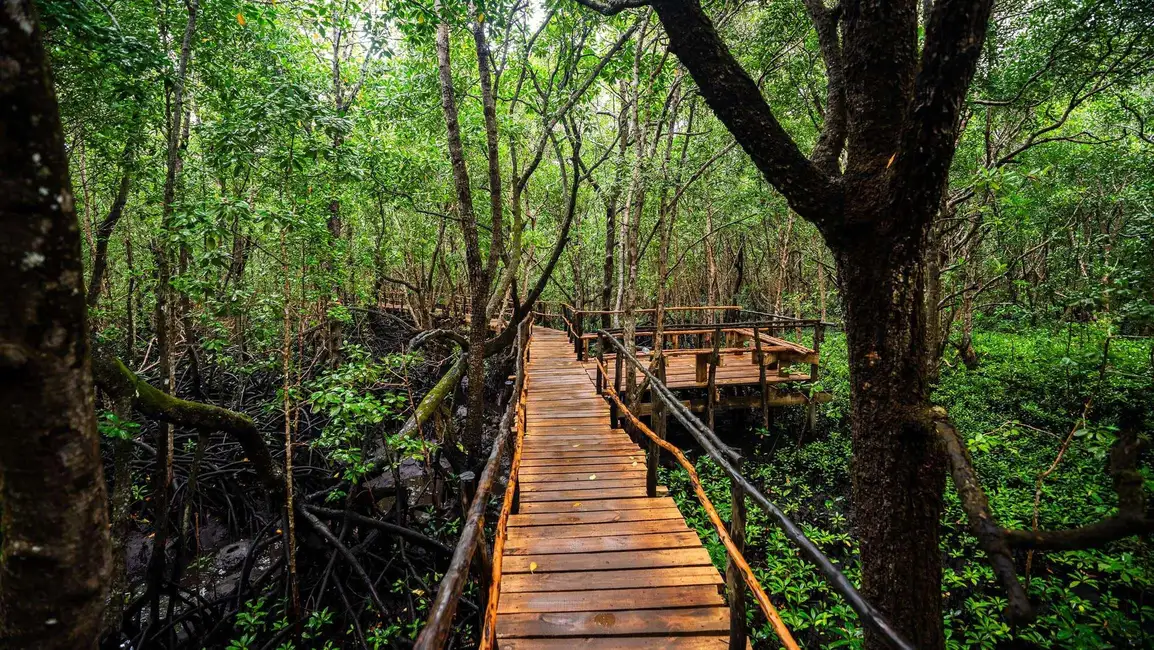
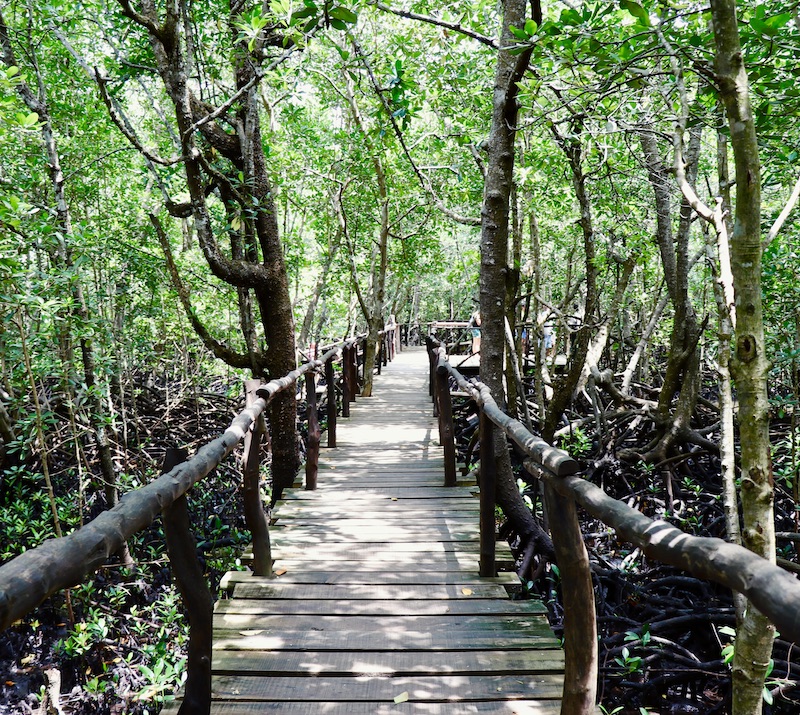
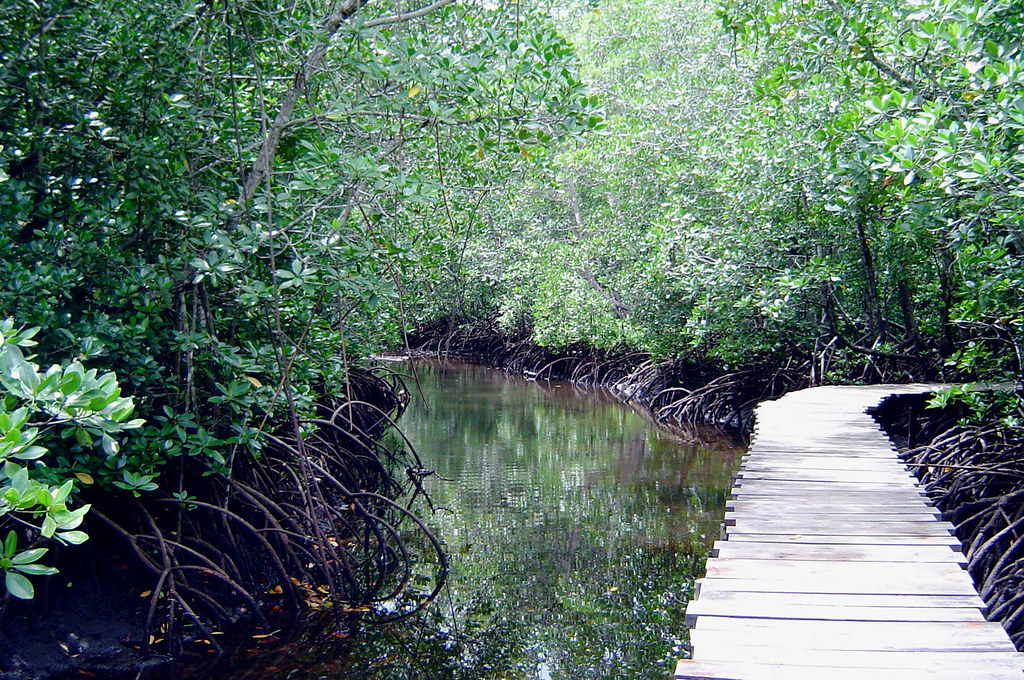
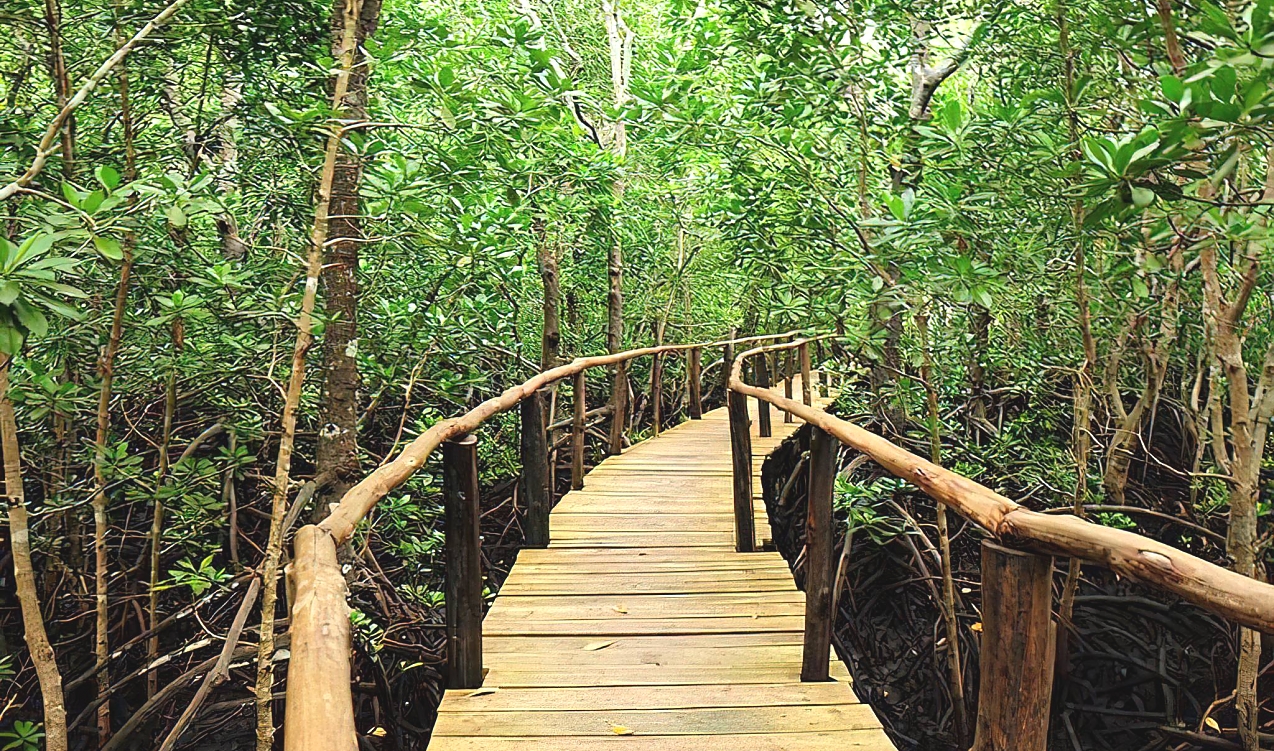
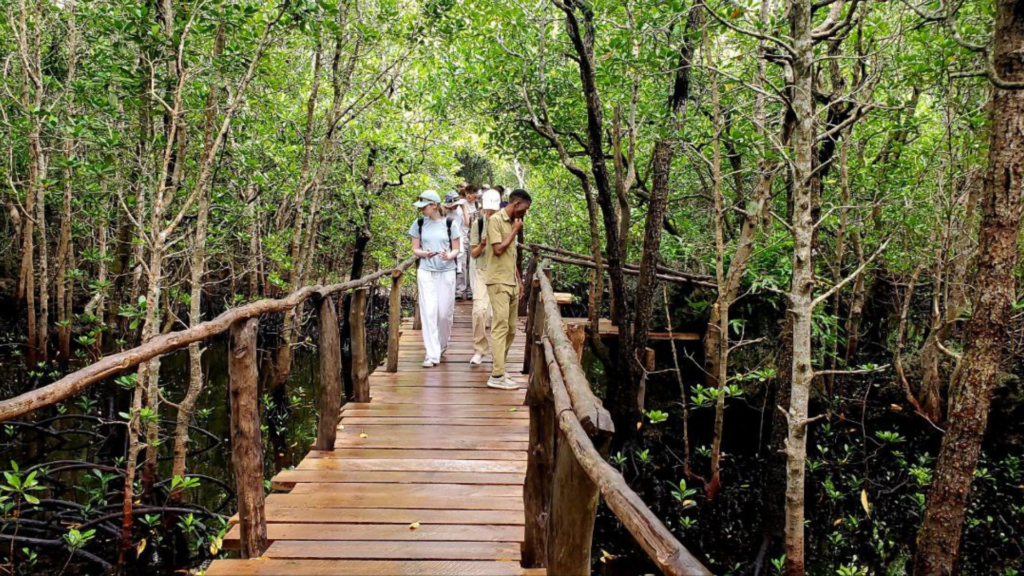
You cross the road, then follow the raised mangrove boardwalk for about a kilometre as fiddler crabs scatter beneath the planks. Your guide names the breathing roots, the tidal cycles, the bush babies that emerge after dusk. Many travellers pair the walk with a jozani forest and stone town tour, returning south by mid-afternoon with red dust on their boots and forty-odd photographs already culled.
The landmarks, rooms, and views travelers on Jozani Forest Zanzibar tours remember — all visible on a single visit.
These endemic primates — found on no other landmass on Earth — live in troops of 30 to 50 individuals and have recovered from roughly 1,500 individuals in the 1990s to an estimated 5,000–6,000 today.
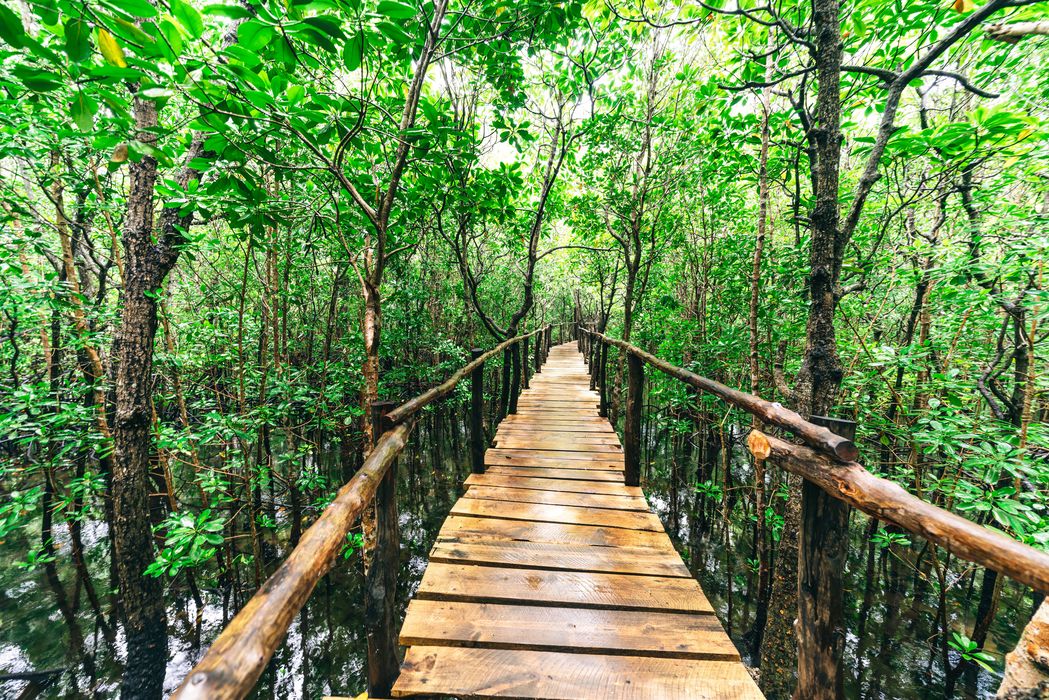
The elevated wooden walkway threads through the tidal mangrove fringe of Chwaka Bay, where the intertwined root systems filter brackish water and serve as nurseries for juvenile fish and crabs.
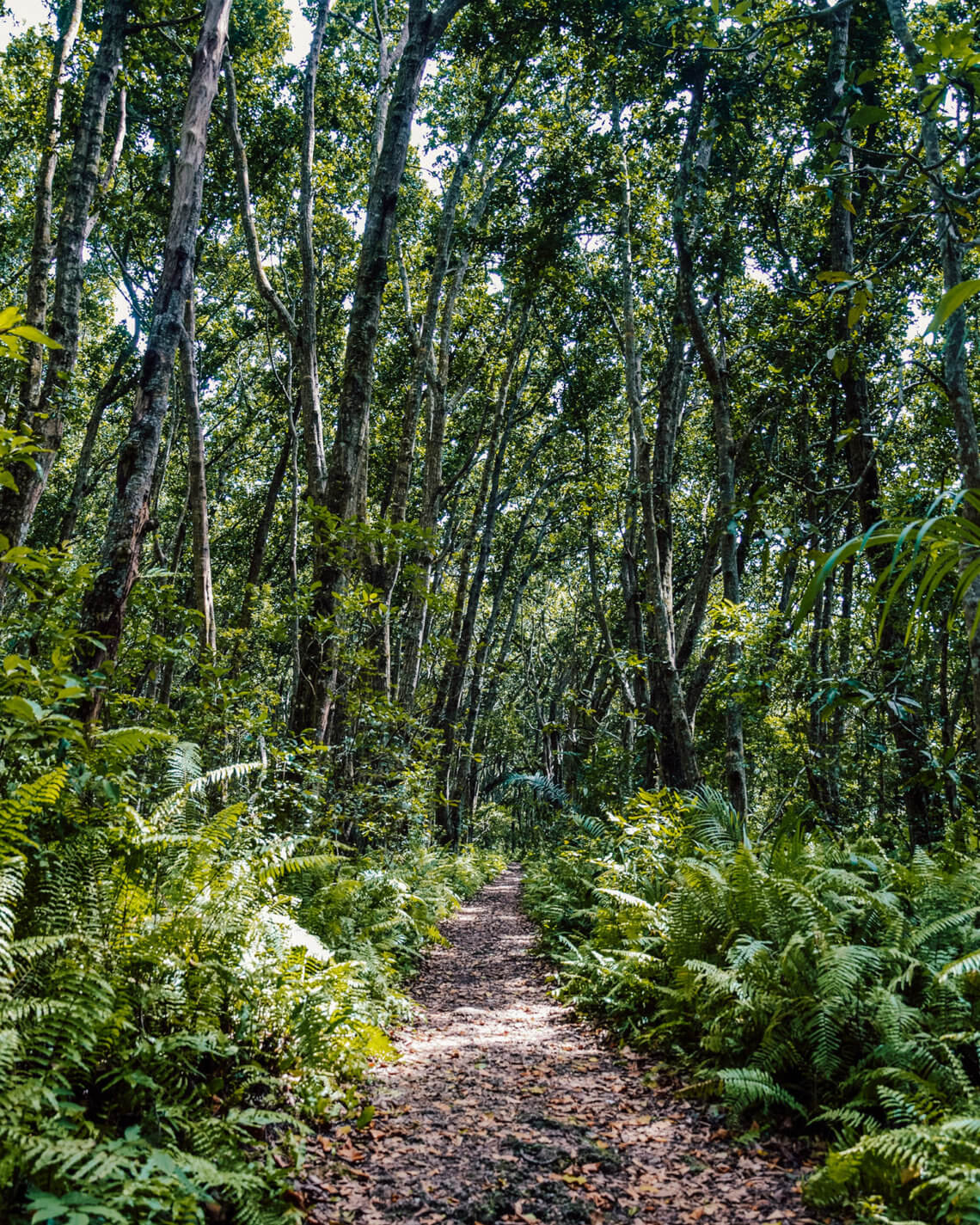
The main 2 km nature trail passes beneath a canopy of giant mahogany, wild fig, and mvule trees whose roots draw on a permanent freshwater lens sitting beneath the coral-rag soil.
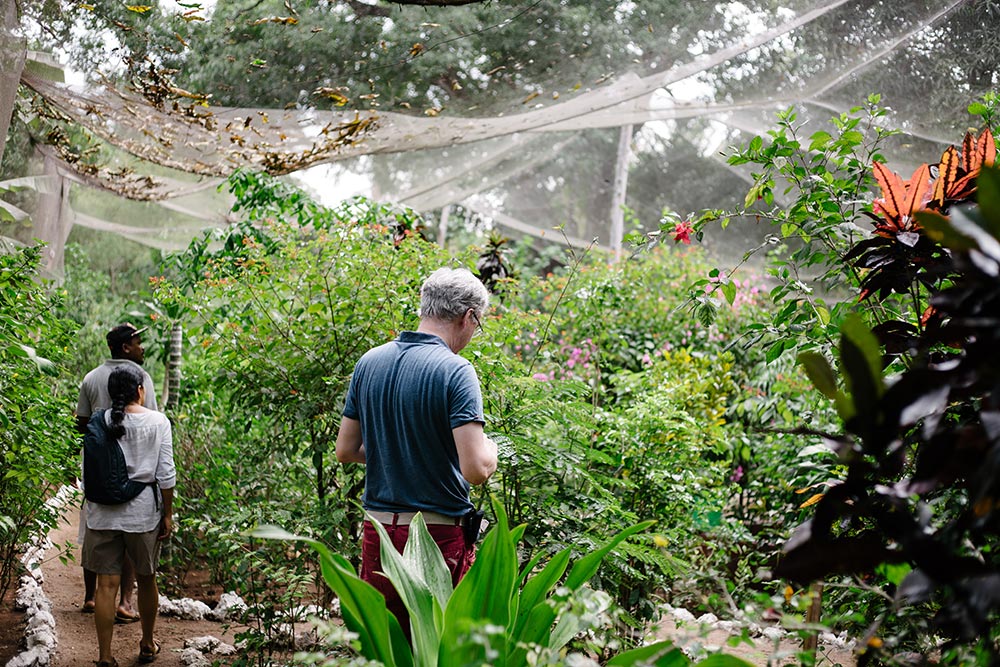
This community-run screened garden adjacent to the park entrance documents more than 50 butterfly species and funds conservation work in the surrounding buffer zone.
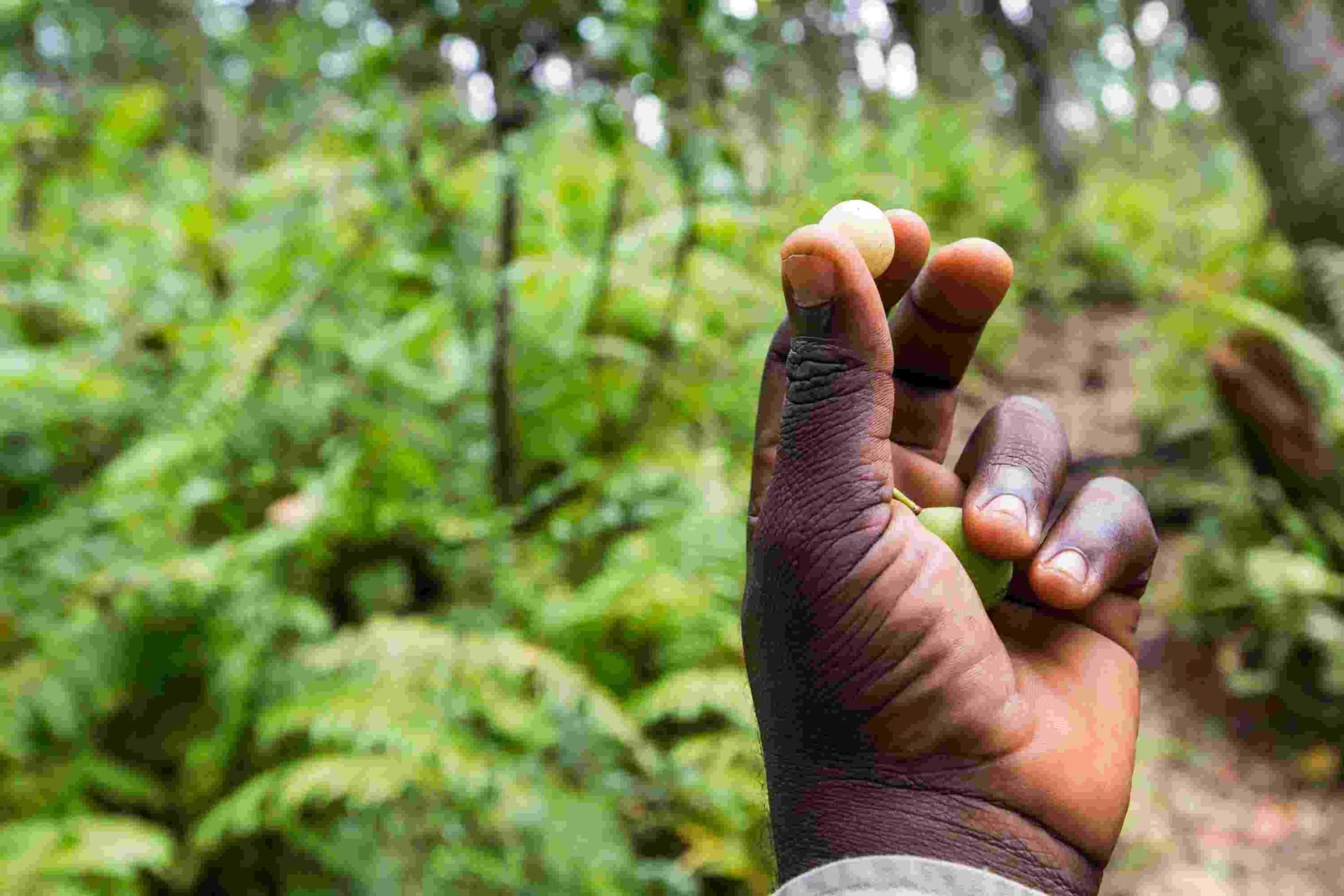
Ranger guides regularly pause along the trail to demonstrate ethnobotanical uses of species such as mvule (used for headache relief) and mangrove bark (used in traditional fabric dyeing), reflecting the forest's role as a community pharmacy for centuries.
Every Jozani Forest Zanzibar tour side-by-side — duration, what's included, how you redeem.
| Experience | From | Duration | Transfers | Pickup | Lunch | Tax inc. | Free cancel. | Price | |
|---|---|---|---|---|---|---|---|---|---|
|
Skip-the-line Most popular
Private Jozani Forest Tour with Local Guide
|
— | 3 hr | — | — | — | — | ✓ | €78 | Book → |
|
Luxury / Private
Jozani Forest Private Tour, Zanzibar
|
— | 3 hr | — | — | — | — | ✓ | €43 | Book → |
|
Standard Entry
Zanzibar: Jozani Forest & Sea Turtle Sanctuary Day Tour
|
— | 6 hr | — | — | — | — | ✓ | €66 | Book → |
|
Guided Experience
Zanzibar: Jozani Forest, Butterfly Centre & Mtende Beach Day Trip
|
— | 6 hr | — | — | — | — | ✓ | €102 | Book → |
All prices from verified partners. Availability and exact terms confirmed at checkout.
Choose your ticket, select your date, and reserve in under two minutes. Secure checkout handled by our verified partner.
Instant confirmation by email, with a mobile voucher you can save offline. No printing, no queuing at a collection desk.
Arrive at the entrance, show your voucher on your phone, and walk in. Most tickets include priority or skip-the-line access.
Practical details for Jozani Forest Zanzibar tickets straight from our verified partners — hours, access, rules, and how to get there.
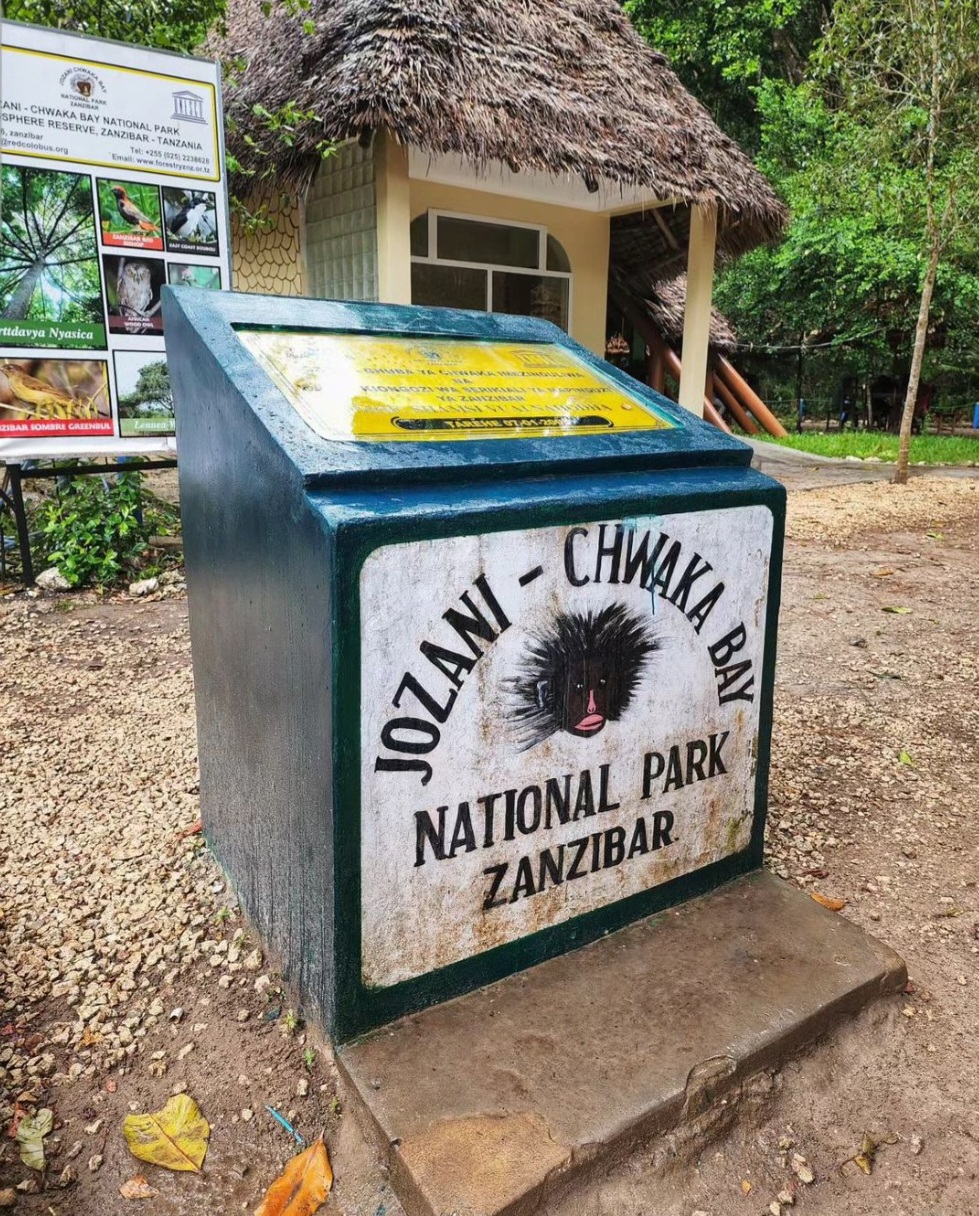
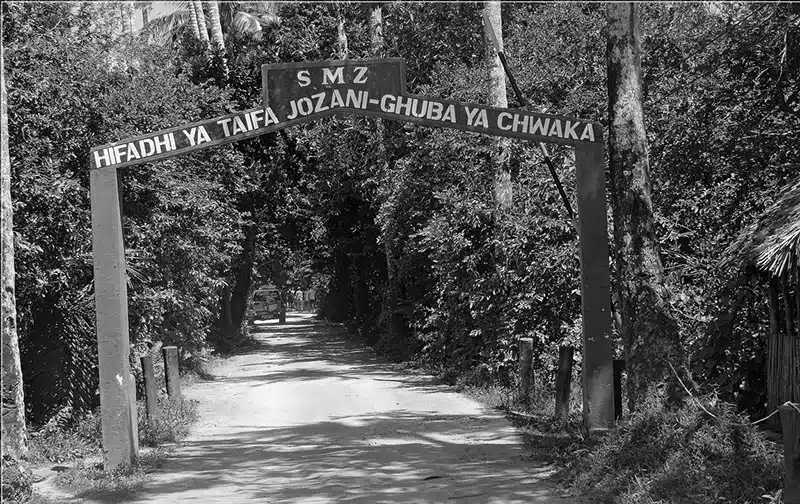
Jozani Chwaka Bay National Park, Pete Village, South Unguja
Main gate on the Stone Town–Paje road; free parking available
Open in Google MapsFrom Stone Town, take the main road south toward Paje; the park entrance is signposted at Pete Village, 35 km from town.
Board dala-dala #309 or #310 from Darajani terminal in Stone Town toward Paje or Jambiani; ask the driver to stop at Jozani.
Most hotels island-wide offer half-day jozani forest zanzibar tours with transport, entrance fee, and guide included.
Rentals available in Stone Town and coastal villages; free parking at the entrance gate.
Light, breathable clothing in neutral or dark colours is recommended so as not to startle wildlife. The forest trails can be muddy after rain, so closed-toe shoes or sturdy sandals that can get dirty are essential. Avoid bright synthetic fabrics that crinkle loudly on the trail.
Small daypacks are permitted on all trails. There is no bag-scanning checkpoint, but rangers may conduct a brief inspection at the entrance gate to check for prohibited items such as food or drones. Larger luggage can be left at the entrance information centre.
Photography for personal use is welcome throughout jozani forest zanzibar, including on the mangrove boardwalk. Do not use flash photography near the red colobus monkeys, as it stresses the animals. Commercial film crews require prior written permission from the park authority.
The main forest nature trail is mostly flat and well-maintained, making it manageable for visitors with moderate mobility. The mangrove boardwalk is a raised wooden structure accessible to most visitors, though uneven sections may be challenging for wheelchair users. Ranger guides can adjust the pace and route for guests who need a slower walk.
Mobile phones are permitted for photography and navigation. Keep ringtones silent while on the forest trail to avoid disturbing the red colobus monkeys and birdlife. Signal can be intermittent deep inside the park.
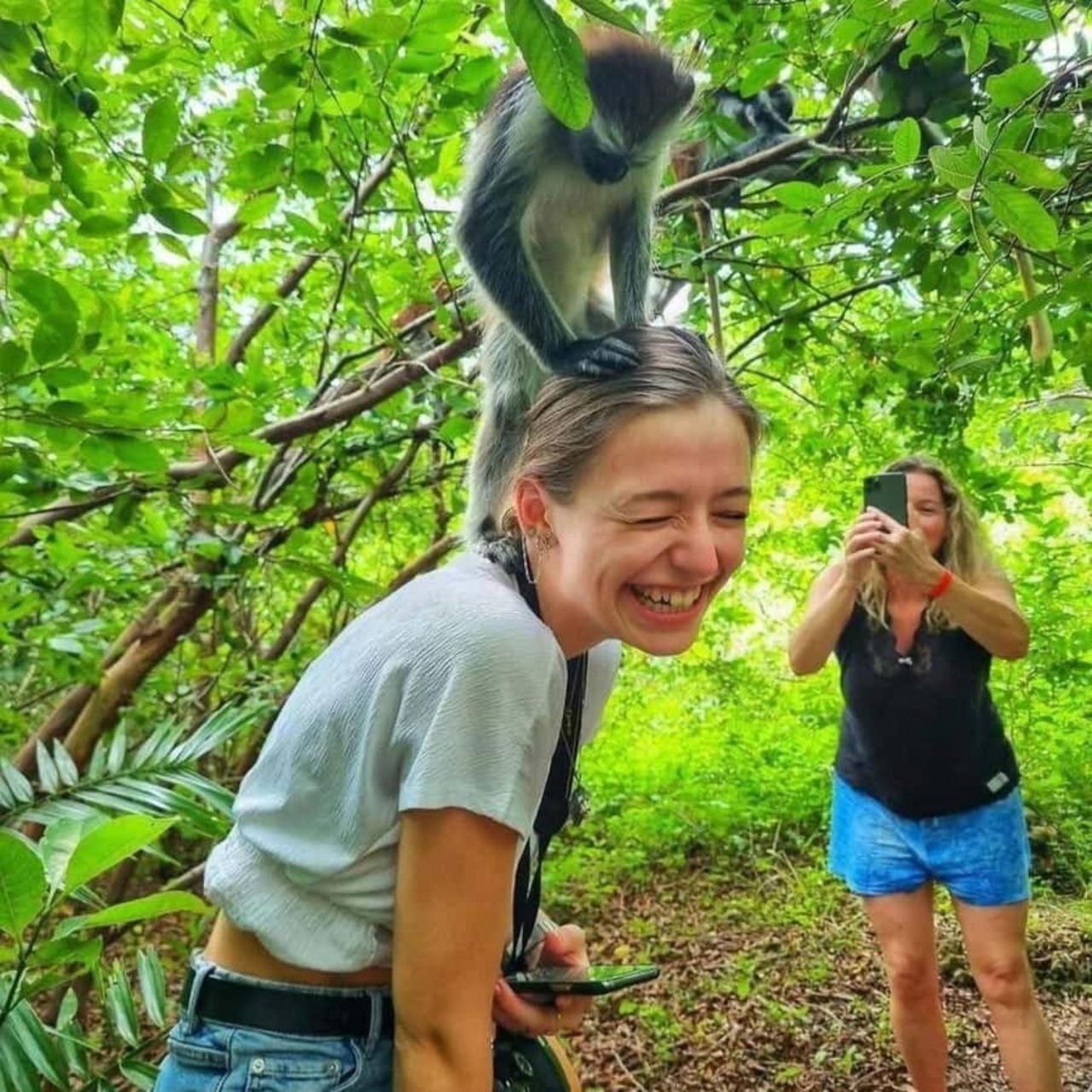
Jozani forest zanzibar is well suited to families with children of all ages. The red colobus monkeys approach visitors closely and are highly engaging for young children, while the mangrove boardwalk provides a hands-on ecology lesson. Children under 5 are typically admitted at a reduced rate — confirm directly with the park gate on arrival.
There is a small café at the park entrance serving drinks and light snacks; no food is available inside the forest itself. Visitors should eat or drink before entering the trail, as consuming food on the path attracts wildlife and is discouraged by rangers. Carrying a sealed water bottle is permitted.
Pets are not permitted inside Jozani Chwaka Bay National Park. The restriction protects endemic species, including the endangered Zanzibar red colobus monkey, from stress and potential disease transmission.
The 30,000 TZS conservation fee includes a mandatory ranger guide — do not pay unofficial touts on the road outside the gate. Guides are local residents of Pete Village, and tipping at the end of the walk is customary and appreciated.
Jozani Chwaka Bay National Park, Pete Village, South Unguja
Main gate on the Stone Town–Paje road; free parking available
Get directionsBest time to go, insider tips, nearby landmarks, and the cancellation fine print — flip through to skim what matters to you.
How crowds, weather, and events shift across the year.
Dry season; trails firm and easy to walk, vegetation thinner for better wildlife sightings.
Short dry spell; cooler mornings and reliable monkey activity near the canopy edges.
Long rains season; trails can be muddy but the forest is lush and visitor numbers drop significantly.
Short rains; intermittent showers keep crowds low while the forest remains vibrantly green.
Small details that turn a good visit into a great one.
The park gates open at 07:30 and the 07:30–09:30 window is when the red colobus monkeys are most active and feeding at low canopy — by 11:00 they retreat to the high branches and are far harder to observe.
The conservation fee is set at 30,000 TZS; paying in USD at an informal rate typically costs you more. Withdraw shillings from Stone Town ATMs before travelling south.
The mangrove section requires crossing the main road after the forest trail — it is included in your fee and takes about 30–45 additional minutes, but many visitors skip it and miss a distinct ecosystem.
Ranger guides are Pete Village community members whose livelihoods depend partly on gratuities; 5,000–10,000 TZS is a customary and appreciated tip per person.
Many operators pair jozani forest zanzibar tours with a spice farm visit north of Stone Town, making an efficient full-day loop without backtracking.
Even in the dry season, groundwater seeps onto sections of the forest trail; sandals or trainers you are happy to rinse off afterwards are a practical choice.
Non-bookable sights within a short walk — free to visit, easy to pair.
Community-run screened garden showcasing over 50 butterfly species endemic and native to Zanzibar.
Small fishing and farming community whose residents manage park conservation and act as ranger guides.
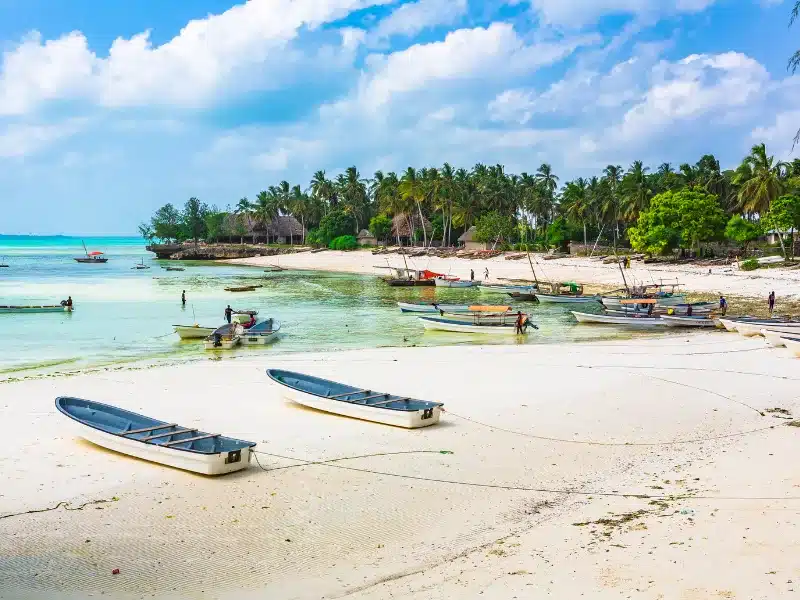
Shallow tidal bay designated as a Ramsar wetland candidate; important for migratory shorebirds and mangrove nurseries.
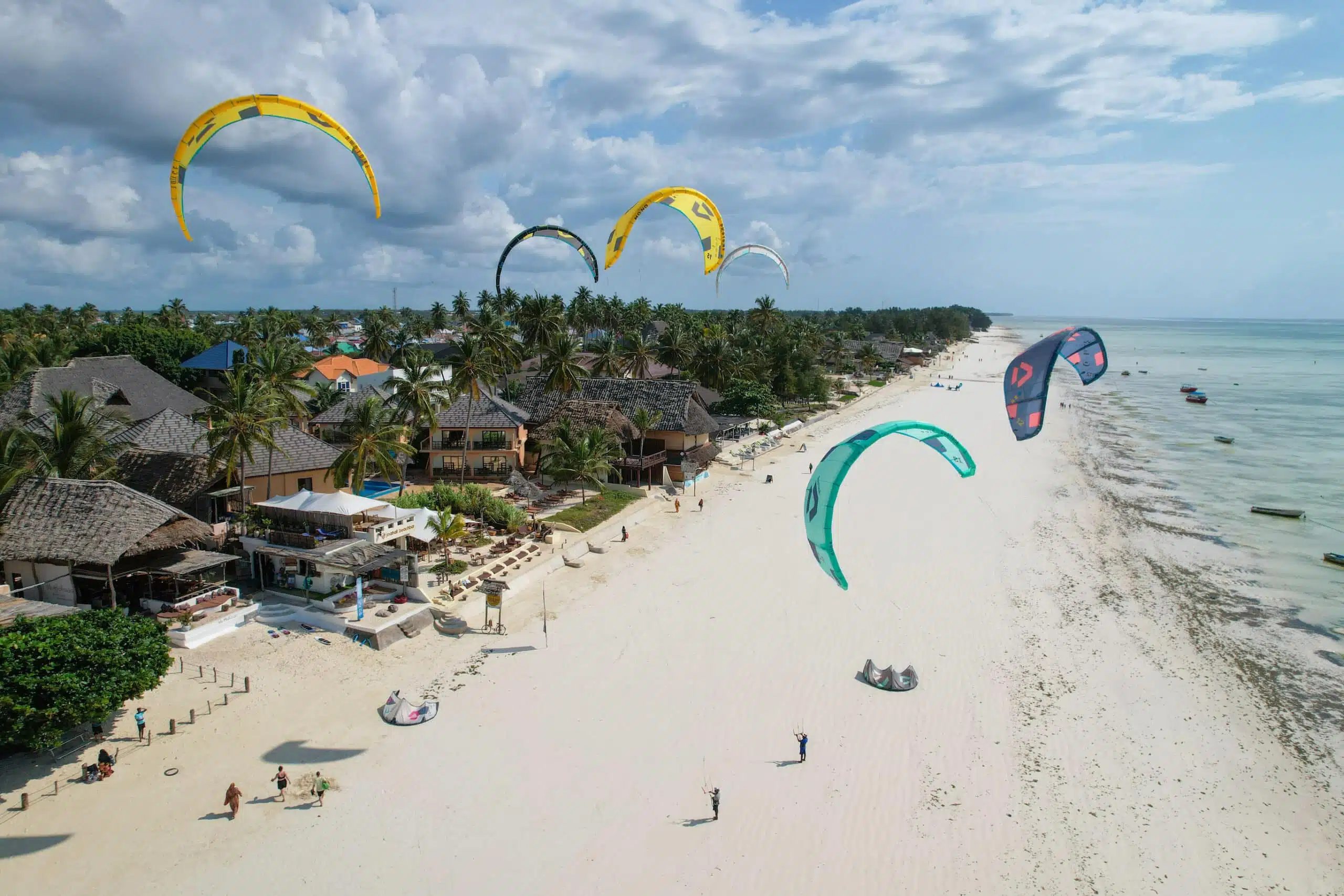
Wide white-sand beach on the southeast coast famous for consistent kite-surfing winds and a laid-back village atmosphere.
Flexible, no hidden fees.
Bookings cancelled at least 24 hours before the visit date are eligible for a full refund. The 30,000 TZS conservation fee paid at the gate is non-refundable once entry has been granted.
Hand-picked options within walking distance — pick a district for vibe, or a specific hotel for convenience.
Eco-focused tented camp adjacent to the park buffer zone offering early morning wildlife walks.
Simple beachfront bungalows with direct access to Paje's kite-surfing stretch.
Cluster of family-run guesthouses along Jambiani's calm lagoon, popular with independent travellers.
Boutique hotel in a restored Swahili townhouse within the Stone Town UNESCO World Heritage area.
Jozani forest zanzibar is open every day of the week from 07:30 to 17:00, with the last admission at 16:30. There are no weekly closure days.
The conservation fee for jozani forest zanzibar tickets is 30,000 TZS per person for non-citizen visitors. This fee is paid at the entrance gate and covers both the forest trail and the mangrove boardwalk.
Yes — a mandatory ranger guide is included in the 30,000 TZS conservation fee. You should not pay any additional fee to unofficial guides or touts waiting on the road outside the gate.
The best window for a Zanzibar national park visit is 07:30 to 09:30, when the red colobus monkeys are feeding actively at lower canopy levels and the air is cool. The dry seasons from June to September and December to February offer the firmest trails and clearest sightlines.
Jozani forest zanzibar tours are well suited to families with children of all ages. The red colobus monkeys approach visitors at close range and are engaging for young visitors, while the raised mangrove boardwalk provides a safe and educational walk through the estuary.
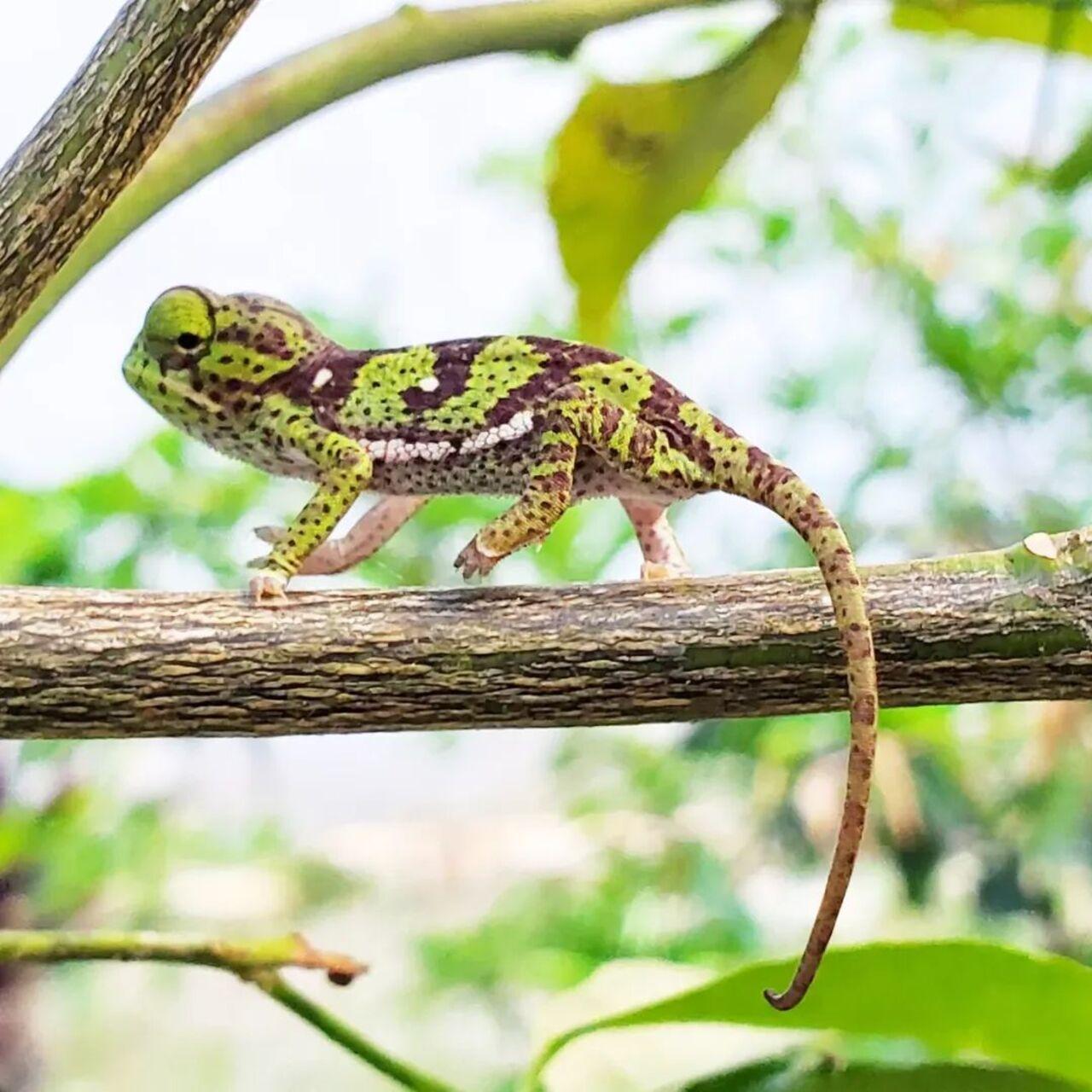
The park's star resident is the Zanzibar red colobus monkey (Piliocolobus kirkii), an endangered endemic primate found nowhere else on Earth. Other species include Sykes' monkeys, blue duikers, Suni antelopes, bush babies, Zanzibar servaline genets, and more than 40 recorded bird species including the Fischer's turaco and mangrove kingfisher.
Personal photography is welcome throughout the park. Do not use flash near the red colobus monkeys, as it causes stress to the animals. Commercial filming requires prior written permission from the park administration.
From Stone Town, drive or take a taxi 35 km southeast on the Paje road to Pete Village — the journey takes about 45 to 60 minutes. Alternatively, board dala-dala #309 or #310 from Darajani terminal for approximately 3,000 TZS and ask to be dropped at Jozani.
Light, breathable clothing in neutral tones is recommended. Wear closed-toe shoes or sturdy sandals that you do not mind getting muddy, as groundwater can seep onto sections of the forest trail even during the dry season.
Yes. The mangrove boardwalk is included in the jozani forest zanzibar tickets fee and forms the second part of the standard guided tour. It requires crossing the main road after completing the forest nature trail, so follow your guide's instructions.
No. Entry to the forest trail section of the park requires an authorised ranger guide — this is a park regulation, not an optional extra. The guide is provided at no additional cost as part of the 30,000 TZS conservation fee. The mangrove boardwalk is self-guided once reached.
A popular combination is to pair a Zanzibar forest tour with a spice farm visit north of Stone Town, which many operators offer as a full-day itinerary. After the forest, continuing east to Paje beach (20 min drive) or south to Jambiani village (25 min drive) rounds out the day well.